
Panic attacks and getting to know them
What is a panic attack?
An anxiety attack or what is more commonly known as a panic attack could simply be described as having magnified symptoms of anxiety and fear. Panic attacks often happen without any usual warnings and without any underlying reason. Some individuals might only go through a single occurrence of a panic attack, while others will experience on-going episodes. There is often an event or some situation that sets off a panic mode for individuals who experience recurring episodes. Even though most episodes can be considered harmless, some panic attacks can literally shutdown an individual on a physical, emotional and psychological level. In some extreme circumstances, panic attacks have been known to cause panic disorder.
Who is more susceptible to panic attacks?
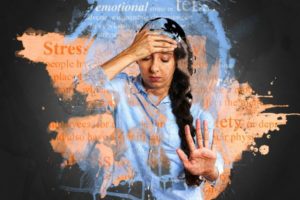 The condition itself can affect numerous people. In fact, Newman (2018) places anxiety disorders as one of the common mental illnesses in America today. It literally affects close to forty-million adults. That’s approximately 1 in 5 people. On a global scale, the World Health Organization (WHO) figures around three-hundred million people have some kind of anxiety disorder. Of course, these figures could be higher since a lot of cases go undiagnosed or even under diagnosed. Episodes tend to happen more with younger adults, while women are twice as likely as men to experience attacks. And, the condition of panic attacks can be genetically inherited and passed down to family members.
What are the symptoms of an attack?
Panic attacks can happen suddenly without warning and generally involve feelings of terror. An episode can strike at any time, day or night, and even while sleeping. Individuals who experience a panic attack may consider it a heart attack or that they might by dying or even going crazy. The common fear and terror an individual experience while having a panic attack is not in-proportion to that of a real situation and it may also be somewhat unrelated to what is actually happening at the moment. There are a number of signs and symptoms that can identify a panic attack. Some of these include –
- palpitations
- an increase in heartbeat
- hyperventilating
- chest pain
- shortness of breath
- stomach problems
- sweating
- shaking
- trembling
- muscle cramps
- tension
- spinning
- feeling light headed
- dizzy
- hot or cold flashes
- tingling sensations throughout your body
- numbness
- fear of dying
- going crazy
- losing control (Goldberg, 2017).
What is the primary cause of an attack?
A panic attack can come on suddenly without any reason. It can be a common and unexpected situation where they simply occur out of nowhere. Although, many attacks can be associated with past experiences, whether traumatic or not, instances like the death of someone close, relationship problems, parents divorce, an accident, embarrassment, shame, family ordeals, etc. Any of these plus more can easily set-off a panic.
Another element that is closely related to panic attacks is stress. Incidents that can raise your levels of stress can include public gatherings, certain events, work, and even the environment of your living conditions.
What happens if I experience an attack?
A lot of panic attacks generally last anywhere from five to ten minutes. It’s considered to be rare if episodes continue and last for more than 30 minutes. However, it’s during the episode where individuals can experience levels of discomfort as mentioned in the signs and symptoms listed above. While the issues of a racing heart beat can be the primary reason for experiencing a variety of other symptoms, it’s crucial to control breathing during an episode. The idea is to breathe slowly and as deep as possible. For 3 seconds breathe in slowly and hold your breath for 3 seconds. After that, exhale for 3 seconds.
Repeat this procedure until you begin calming down. If you can stand, trying getting up slowly and gently walk around. Some people also find it helpful to breathe into a small paper or plastic bag. Doing this provides the opportunity to breathe in carbon dioxide. The process assists blood acid levels to correct themselves due to uncontrolled breathing.
If you perform the deep breathing exercises, it’s probably best to concentrate on other things instead of those things that might have caused the panic. In other words, replace negative thoughts with those of happy ones. If it’s possible, trying doing something that will keep your mind occupied like playing a game or solving some puzzles.
References
Goldberg, J. (2017). Panic attack symptoms. Web MD. Retrieved from https://www.webmd.com/anxiety-panic/guide/panic-attack-symptoms
Newman, T. (2018). Anxiety in the west: Is it on the rise? Medical News Today. Retrieved from https://www.medicalnewstoday.com/articles/322877.php


Post Comment